Trouser fits in menswear have been on the slimmer side for some time now, with super skinny fits having had a heyday a few years ago and the go-to cut for many off the rack brands erring toward narrow tapers. Is this the way to go for everyone, though?
The details can be just as instrumental in making a suit or jacket look great as the cut and fit; with unflattering details, it becomes harder to match the jacket with accessories and shoes. We have covered lapel and fronting, as well as the jacket construction. Now that you have the biggest parts in check, it is time to discuss the details! In this section of the guide we will cover rear vents, pockets, armholes and sleeve buttons.
Today I want to share a great documentary I have watched recently. It is produced by Sartorial Talks (the YouTube channel of the Parisian Gentleman blog). The channel consistently delivers engaging, high quality content and I thoroughly enjoyed this piece in particular; full of insights, history and elegant charm.
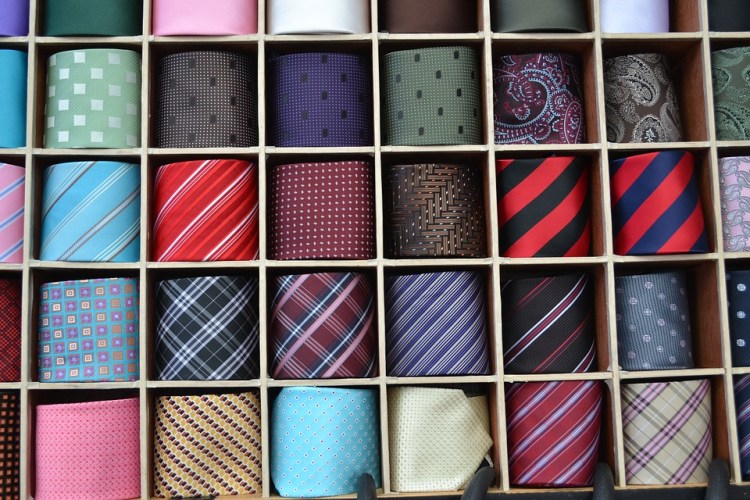
Pairing ties and pocket squares is an art that – when executed well – provides a wonderful playground for self-expression in an otherwise uniform outfit. Making a good combination of patterns and colours seems a very daunting task to many men (I get questions about it regularly!), but it is actually a rather simple undertaking that boils down to one thing: harmony.
These days, businesses have perfected the art of portraying a clothing/accessories brand as a luxury offering. This art has been perfected so much, there is solid marketing theory dedicated to how a brand can position itself as luxury. It makes buying clothing (especially when thrifting) a potentially tricky experience even for a discerning eye, but there are some key pointers that you can follow in order to discover whether an item with luxury looking tags is in fact a luxury item.
In Choosing a Suit Jacket Pt. 2, I mentioned how jackets can be fused or canvassed. When talking about fused construction I briefly mentioned how in this method the inner and the outer are simply fused together using glue, and how the glue fails with age to create an unappealing bubbling effect. Today I will show what that looks like.
Polyester and other synthetic fabrics cop a lot of flak in the clothing world. They are cheap, they can feel less luxurious than natural counterparts such as wool or cotton and they have a negative misconception when it comes to quality. Some people may have an image of a polyester suit or shirt with an unattractive, unnatural shine pop into their heads when thinking of the fabric. It can be stated as a general rule of thumb that polyester and poly blend garments are not luxury items. However, synthetic fabrics are not just a method of cheapening manufacturing. They do have several positive attributes.
“Hi Sam,
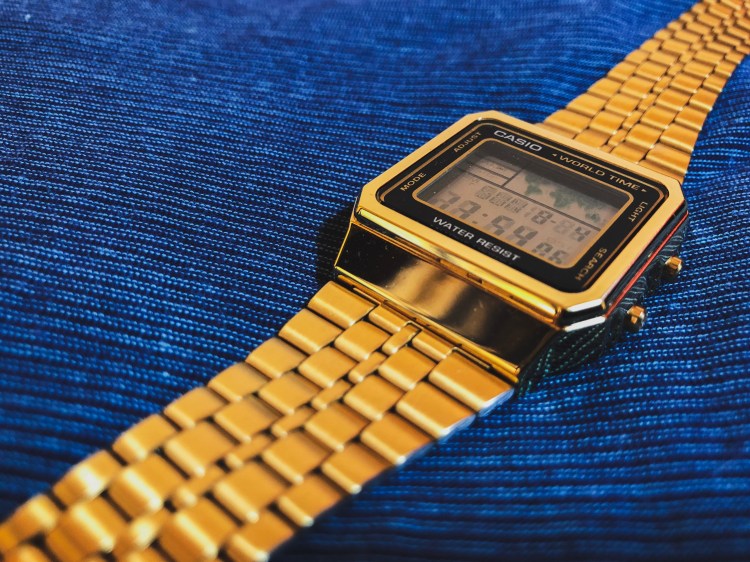
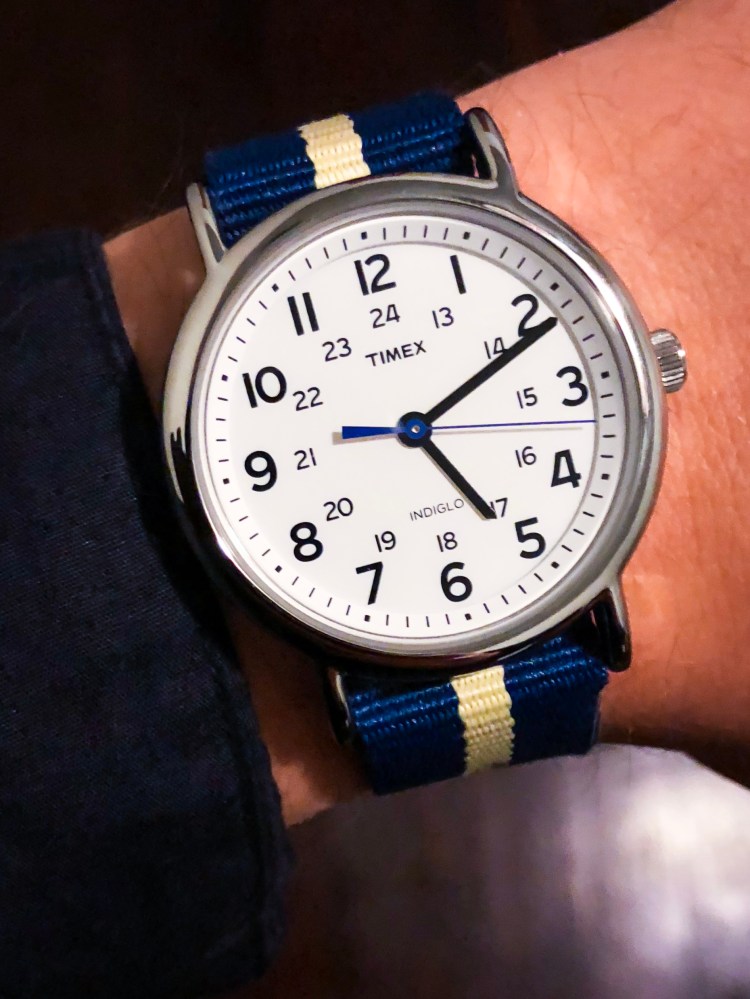
What are your thoughts on the best type of watch and strap to wear to an upcoming job interview?”
Read to find out! Approximate read time: 3 min.
When looking at suits, jackets, trousers and overcoats these days, many made from pure worsted wool fabrics will likely boast a super number somewhere on the tags. You will find these numbers tend to start at 100 (you can actually go as low as a super , brands simply tend not to advertise the super number on anything lower than a super 100s), and going – in some rare cases – above 200. There is a misconception that a higher super number means higher quality; this is not the case! It simply corresponds to the fineness of the fabric.







 SamTalksStyle
You must be logged in to post a comment.